
Written by Shelley Mannion of Equi – Flex Boulton for Pet Platform C.I.C
Red light therapy, also known as photobiomodulation and low- level laser therapy is a non-invasive therapy that uses low level wavelengths of red light to promote healing, reduce inflammation and improve skin conditions (WebMD, nd). Further research in human patients, proposes red-light therapy may also have a beneficial impact on relaxation and mental health.
Limited studies in human patients with dementia identified that the use of red-light therapy has the potential to promote increased cognitive function, improve sleep and reduce anxiety (Alzheimer’s Society, nd). Equine professionals often utilise human data analysis of therapy treatment pathways, to explore advancements in equine therapy. With red-light therapy, the evidence and research continues, to analyse the therapeutic outcomes of its use in both humans and horses. Although evidence and supportive research of its efficacy in horses is variable, there is scope to utilise the available data on the benefits of red light therapy to further advocate its use in equine therapy.
Hamma (2025), explains there are key benefits of red light therapy for humans, horses and dogs, primarily focusing on post-surgical wound healing:
·Enhanced cellular energy production – boosts cellular energy
·Reduction of key inflammatory markers
·Increased collagen production – collagen provides the structural framework for healing tissues ·Enhanced circulation
·Increased formation of new blood vessels
·Enhanced lymphatic drainage and tissue regeneration
(Hamma, 2025)
With a holistic approach, the core benefits of red-light therapy identified in this research provides evidence of red light therapy potentially providing positive therapeutic outcomes on pain, injury and skin conditions secondary to its mechanism of action. As an equine therapist, I have been able to undertake further personal research into the benefits of red light therapy post equine spinal surgery. Details of this case study can be found here:
Equine Rehabilitation: Analysing the Therapeutic Outcomes of Light The – Danetre Health Products Store
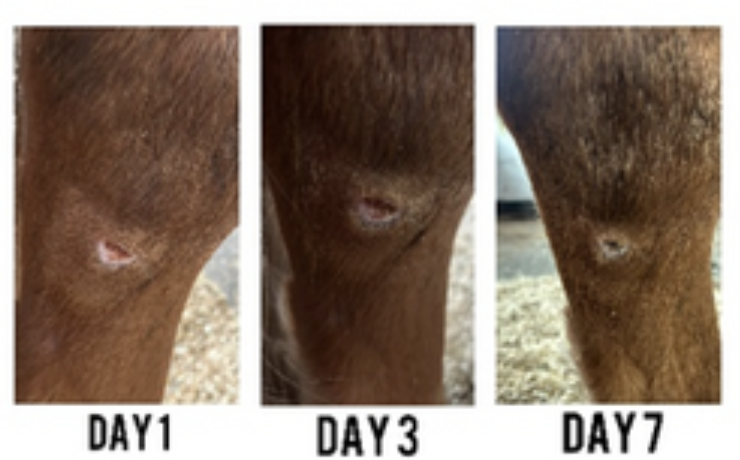
Further investigation of the benefits of red light therapy in practice with wound healing was undertaken with its application on one of my clients horses, post field injury (Figure 1). There was evidence of significant advancements in the healing process with daily application of red- light therapy to the affected area over a 7 day period.
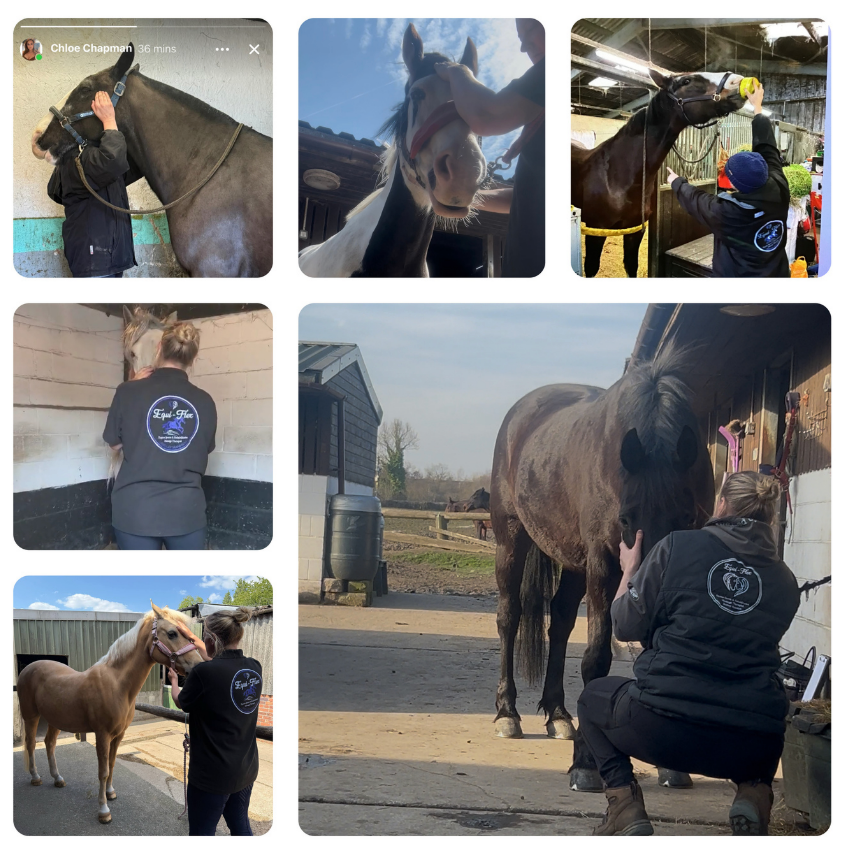
Equi-flex developed tailored sessions, integrating red light therapy as a core component of a specialist treatment pathway to further enhance recovery of horses on box rest to support with the rehabilitation of soft tissue injuries, wound/surgical sites and musculoskeletal issues.
Research published in Veterinary Therapeutics reported that horses with joint issues “showed decreased pain and inflammation after receiving RLT, leading to improved mobility and comfort” (Medford Red Light Therapy, nd). The primary aim of utilising red-light therapy in the tailored sessions is to decrease pain, inflammation and discomfort dependant on the horses individual needs. Examples include, joints, soft tissue injurys, wound/surgical sites and musculoskeletal dysfunction. These sessions have also evidenced a positive impact on the mental well-being of horses when red light therapy is applied offering scope to explore further the advantages of this modality in the holistic treatment of acute and chronic conditions.
The Journal of Animal Behaviour also identified potential benefits with the use of red light therapy to improve mental health in horses:
“Horses receiving RLT showed reduced stress levels, leading to calmer behaviour and increased cooperation” (Smith et al., 2018).
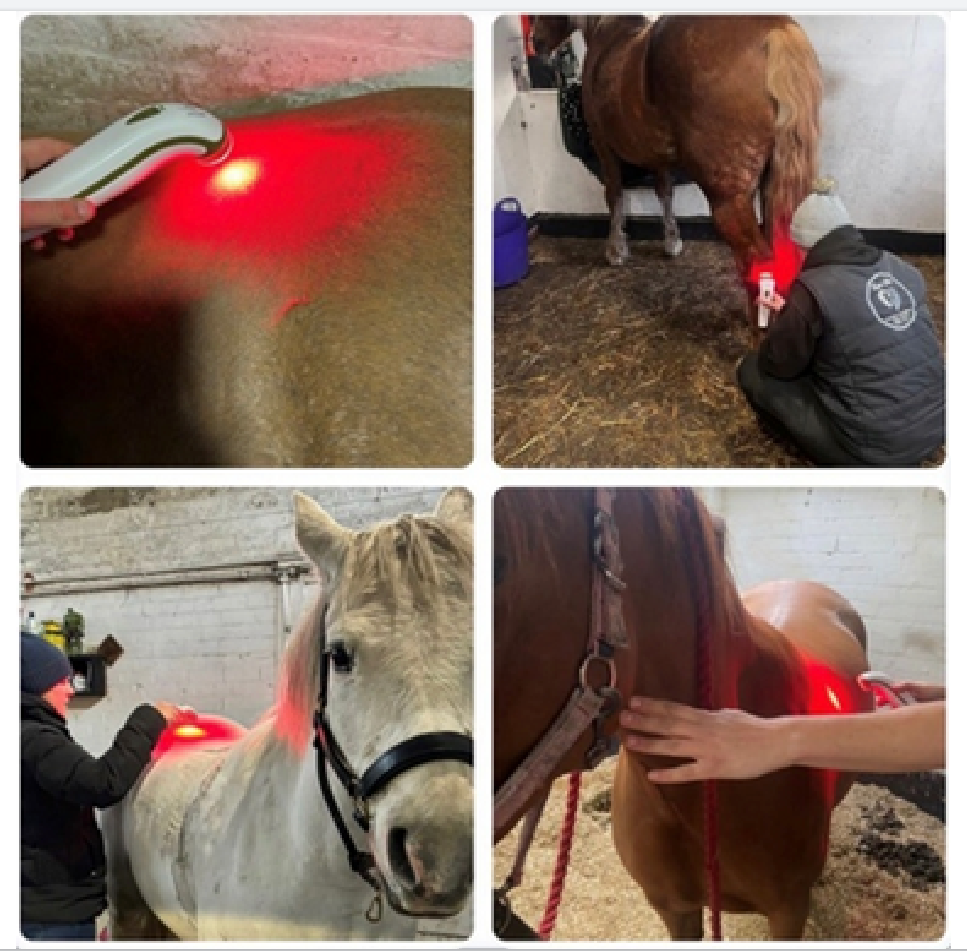
Red light therapy has proven to be an excellent approach for initiating a relaxed and calm therapy session for anxious and nervous horses during Equi-Flex sessions, without the requirement to make physical contact until the horse is ready to do so. Red light therapy releases endorphins to rebalance the body. Furthermore, it has been reported that it can regulate circadian rhythm (the body’s internal clock) (Revive Wellness Centre, nd) supporting with improvements in mental health. The role of the equine therapist is deemed to be primarily focused on improving the musculoskeletal health of horses. However, I’m confident fellow equine therapists will agree, the deeper connection and bond we form during our work, opens up a different level of intuitive and psychological intervention. Horses are very intuitive animals and they feel our own emotions more than we often realise. From personal exploration, research on equine mental health is limited but equine therapists are primarily placed to advocate this further and positively impact on a horses mental and physical well-being. Horses thrive in environments where they feel safe, understood, and socially connected” (Goldfields, 2025). Exploring further equine mental health and modalities including red-light therapy, gives scope for therapists, horse owners and the wider multidisciplinary team to unite and open their minds to different treatment pathways.
Red light therapy continues to undergo research to determine its therapeutic benefits, particularly with its use in horses. However, many equine therapists advocate its use and can provide evidence of beneficial outcomes on both physical and mental well-being from their own experiences. As modalities continue to develop in the field of equine therapy, red light therapy is becoming an integral part of further enhancing therapy pathways for horses to holistically enhance their physical and mental well-being.
References
Alzheimer’s Society. (2025) Light therapy and dementia . Available from: https://www.alzheimers.org.uk/about-dementia/treatments/alternative- therapies/light-therapy-and-dementia [Accessed: 06 January 2026].
GoldFields Feed. (2025) Mental health in horses: 6 ways to boost mood. Available from: https://www.goldfieldsglobal.com/mental-health-in- horses-6-ways-to-boost/ [Accessed: 06 January 2026].
Hamma, V. (2025) Red light therapy for wound healing: Research- backed benefits for humans, horses, and dogs, Equiglow Therapeutics. Available from: https://www.equiglowtherapeutics.ca/post/red-light- therapy-for-wound-healing-research-backed-benefits-for-humans- horses-and-dogs [Accessed: 05 January 2026].
Richens, P. (2025) How red light therapy supports mood, stress and mental clarity, Revive Wellness Centre. Available from: https://www.revivewellnesscentre.co.uk/insights/red-light-therapy- stress-anxiety-mental-clarity-revive [Accessed: 07 January 2026].
Sola, M. (2025) Red light therapy for horses, Medford Red Light Therapy. Available from: https://www.medfordredlighttherapy.com/blog/red- light-therapy-for-horses [Accessed: 07 January 2026].
WedMd. (no date) Red light therapy: Effectiveness, treatment, and risks. Available from: https://www.webmd.com/skin-problems-and- treatments/red-light-therapy [Accessed: 06 January 2026].
Additional resources
Red Light Therapy for Horses: Benefits, Applications & Limitations | Mad Barn
Equine & Canine Light Therapy – Equine & Canine Light Therapy
The Science of Healing: Understanding How Equine Red Light Therapy Works
Wonders for Horses | HorseCares® USA, UK
The Science Behind Red Light Therapy for Horses
Written by Shelley Mannion Equine Sports & Rehabilitation Massage Therapist for Pet Platform C.I.C January 2026
For more information about Shelley and her services at Equi-Flex based in Greater Manchester area please contact her directly Equi-flex@outlook.com